 Oregon
Oregon
Oregon
Near the southernmost extent of the Missoula Floods in the Willamette Valley, the University of Oregon Museum of Natural and Cultural History tells the story of Oregon's deep past -- from Ice Age sloths and giant salmon to the dynamic...
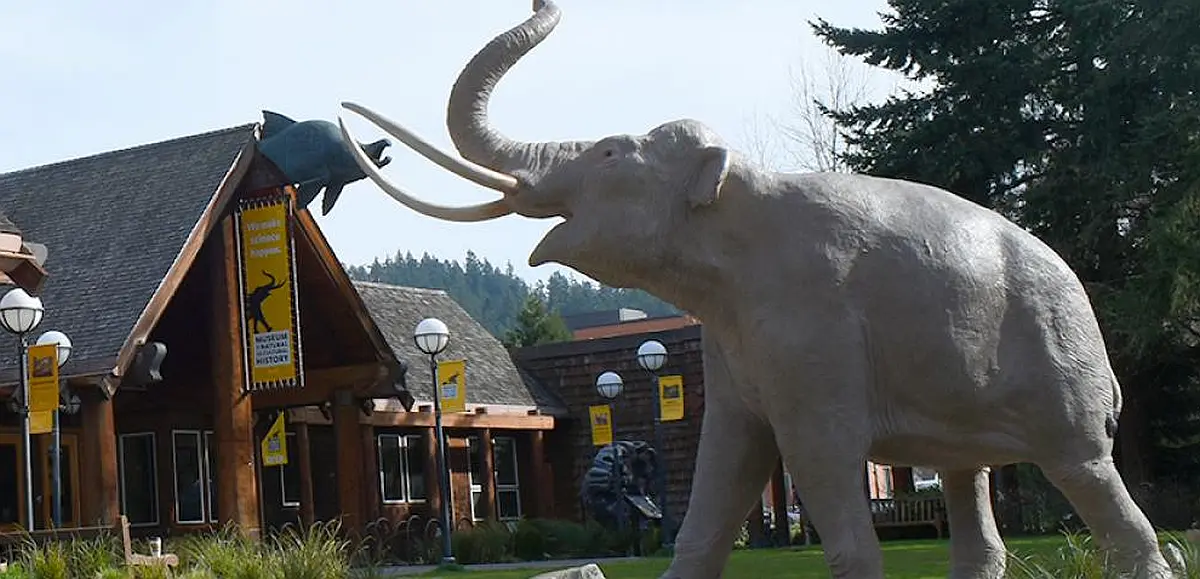
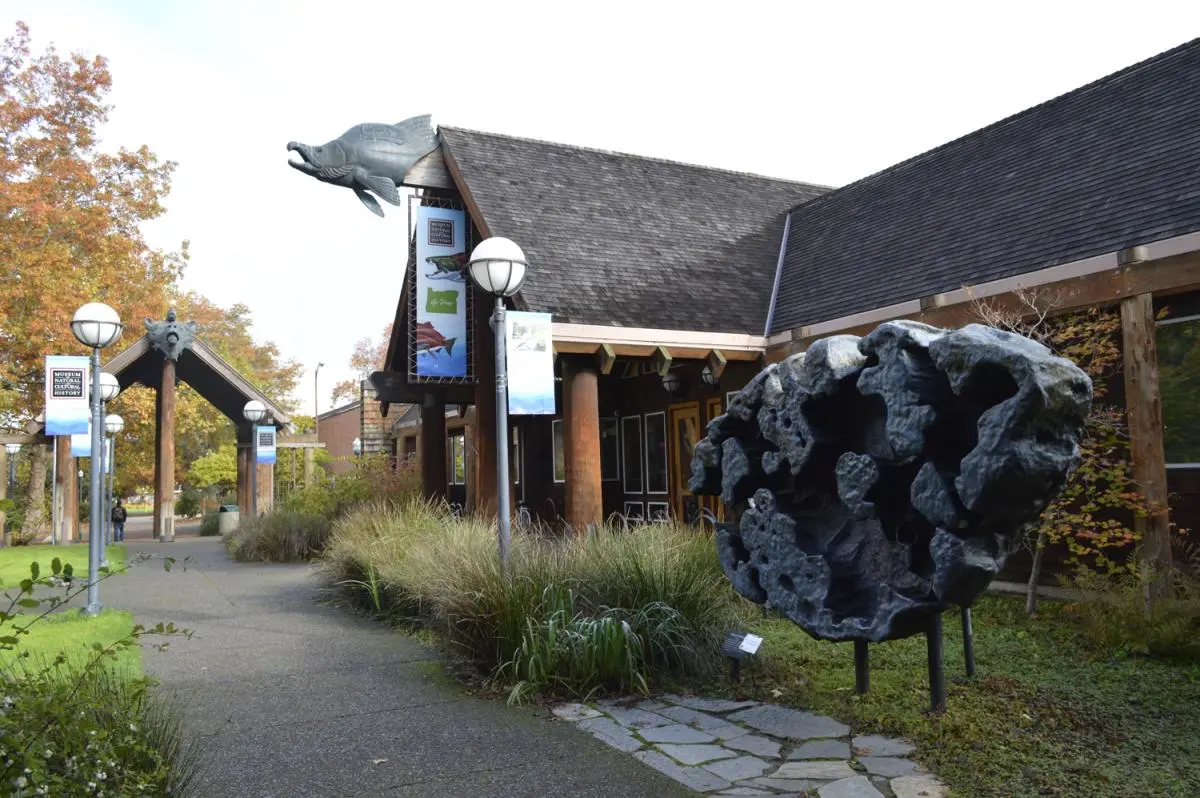
Near the southernmost extent of the Missoula Floods in the Willamette Valley, the University of Oregon Museum of Natural and Cultural History tells the story of Oregon's deep past -- from Ice Age sloths and giant salmon to the dynamic cultures of today's Tribes. As the state's official repository for cultural and paleontological materials, the museum houses hundreds of thousands of objects including fossils and geological specimens from the flood-deposited sediments of the Willamette Valley. Eugene sits near the farthest south the floodwaters reached when they backed up through the Portland Basin and filled the Willamette Valley to approximately 400 feet above sea level, creating temporary Glacial Lake Allison. The museum's collections include evidence of the diverse megafauna that inhabited the valley between flood events: Columbian mammoths, giant ground sloths, and saber-toothed cats roamed the same landscape that the floods periodically submerged. The museum's exhibits help visitors understand how the floods created the fertile soils that support Oregon's agriculture and the wetland habitats that sustain its wildlife. Open Wednesday through Sunday, this is a must-visit for anyone wanting to understand what the floods left behind in Oregon.
Open Wednesday through Sunday, 10 a.m.–5 p.m. (Thursdays until 8 p.m.). General admission is $7 adults / $6 seniors / $1 off for college students with ID; free the first Friday of each month, free year-round for tribal members and active-duty military/veterans. Located at 1680 E 15th Avenue on the UO campus in Eugene.
The museum has interpreted the Missoula floods in its permanent "Explore Oregon" geology gallery since 1995. Its specific contribution is the Willamette Valley story: the floods backed up behind the Columbia Gorge constriction near Kalama and ponded into the Willamette Valley as a temporary lake, depositing the silty soils that make the valley agriculturally productive and stranding ice-rafted erratics like the Bellevue Erratic up to ~400 ft elevation. The museum sits on the floor of that ancient slackwater lake. Exhibits cover both the flood mechanism and the broader Pleistocene fauna context.
The museum's flood interpretation aligns with the Balbas et al. (2017) chronology and the O'Connor, Baker, and others (2020) USGS review (Earth-Science Reviews). No museum-specific exhibit refreshes published in the geological literature since 2020.
The Lower Columbia Chapter of the Ice Age Floods Institute partners with the museum for occasional programs; the museum is listed as an IAFI partner location.
Plan 60–90 minutes for a focused visit. Pair with a drive to the Bellevue Erratic (six miles west of McMinnville) or the Willamette Floodplain NNL at Finley NWR to see in the field what the museum interprets indoors.
The museum offers a variety of seasonal and year-round programs for science and culture enthusiasts of every age. Delve into Oregon’s story, from the archaeology of the First Americans to the dynamic cultures of today’s Tribes. Experience the dynamic forces that shape Oregon’s landscapes, climate, and ecosystems. Meet giant salmon, Ice Age sloths, and other amazing animals from across the millennia.
Museum initiatives steward Oregon’s past, present, and future. The museum is home to an invaluable record of Earth’s environments and cultures. As the state’s official repository for Oregon cultural and paleontological materials, our vaults house hundreds of thousands of objects ranging from archaeological and ethnographic items to fossils and geological specimens. The museum also curates extensive zoological and zooarchaeological collections used for comparison and identification of specimens from paleontological and cultural sites. Together, the collections inspire wonder, stewardship, and scholarship in Oregon and beyond.
New discoveries constantly reshape our shared understanding of Earth’s natural and cultural histories.Explore the museum’s ongoing research in paleontology and archaeology, and learn how scholars from around the world are using our collections in their research.
Website:https://mnch.uoregon.edu/
Hours: Wednesdays through Sundays 10:00 a.m. to 5:00 p.m., Thursdays until 8:00 p.m
Entry Fees:•General: $6•Seniors (62+) & Youths (3-18): $12•Families (up to 2 adults and 4 youths): $12•Children (2 and under), UO students, LCC students, faculty, staff*, MNCH members: FreeVeterans and active-duty military*: Free
Location:1680 East 15th AvenueEugene, OR 97403
Visit us atFacebook,Mastodonand ourYouTube Channel.
Ice Age Floods Institute is a 501(c)(3) tax-exempt non-profit EIN 91-1658221Donations and member fees may be tax deductible
Flood-extent overlay shows the maximum reach of the Missoula Floods.
The site in its place along the flood path, with the maximum flood extent drawn over the modern map.
View on the interactive map Searchable sites · 360° trails · flood reconstruction